
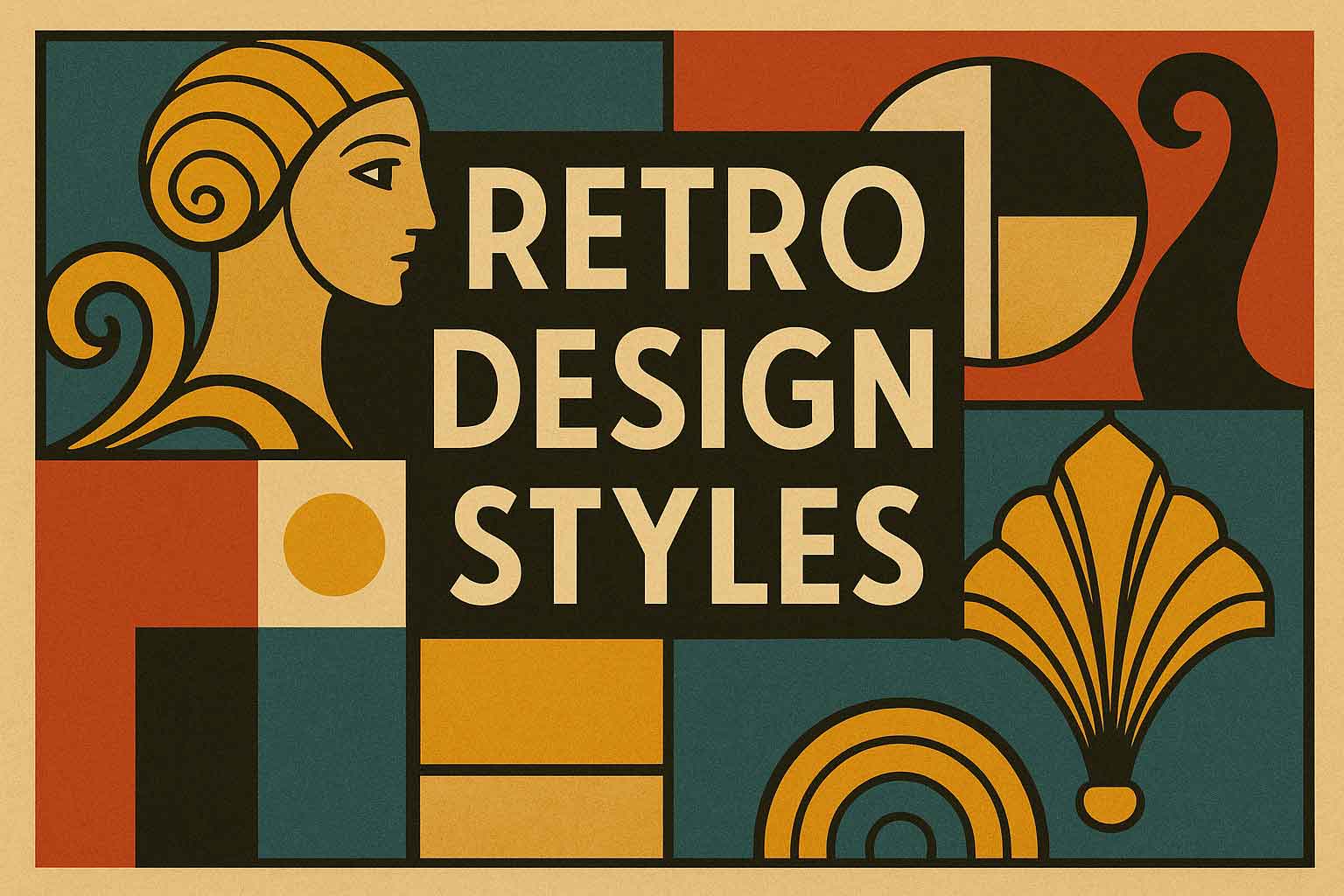
Retro Design Styles: Art Nouveau, Dada, Bauhaus & Art Deco Inspiration
Retro’s a look rooted in recent history. Actually, it comes from “retrospective” – basically meaning glancing backward. It aims to spark memories of old days; when tied to clothing, people call it retro if vintage styles reappear but feel kind of current. While fashion cycles repeat, this trend revives pieces that aren’t ancient – just familiar. Instead of inventing something new, designers often pull ideas from decades like the 80s or 90s. So rather than calling everything old-fashioned, folks label these comebacks as retro.
Retro, sometimes called pop art, showed up in the ’40s alongside fresh ideas from the ’50s. It grew because people wanted bold designs – eye-catching stuff – that print machines back then could crank out fast. With older tech setting limits, artists worked within those rules to make visuals that stood out yet stayed simple to reproduce.
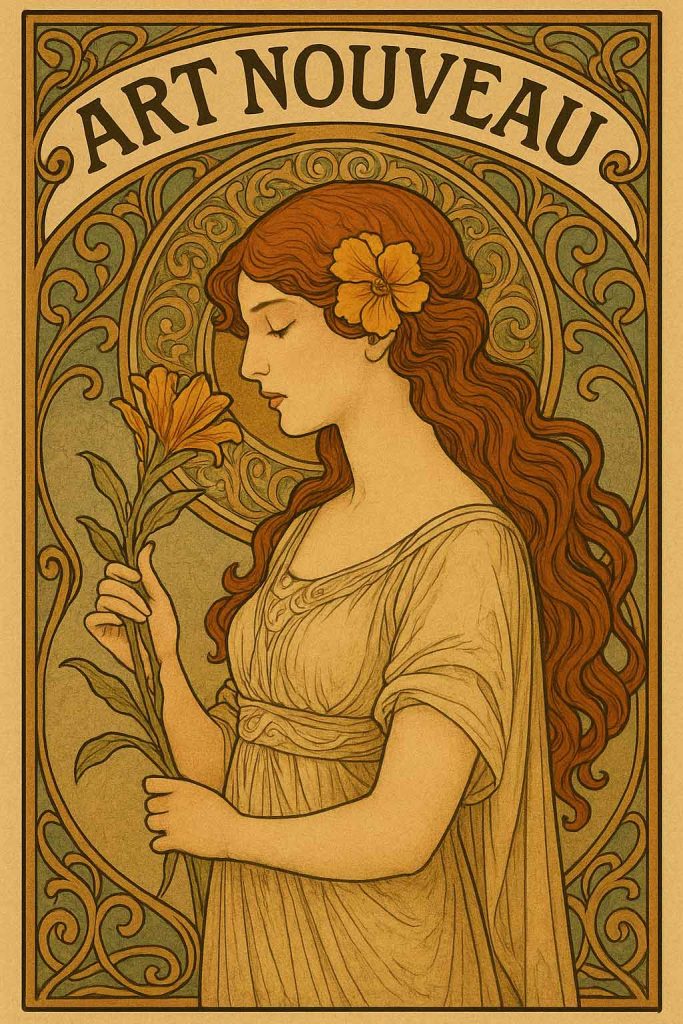
Art Nouveau
The design trend called Art Nouveau hit its height from 1890 to 1910.
Key Features:
- Using long, smooth curves that move like nature.
- Often used in buildings, also shows up in room layouts; appears in necklaces, sometimes in colored glass pieces; found on printed ads, or drawn images.
- Has flowing, uneven shapes like petals and sprouts, while also echoing leaf veins, bug wings – forms that twist softly, almost delicate; think curling roots or breeze-blown threads.
Dada
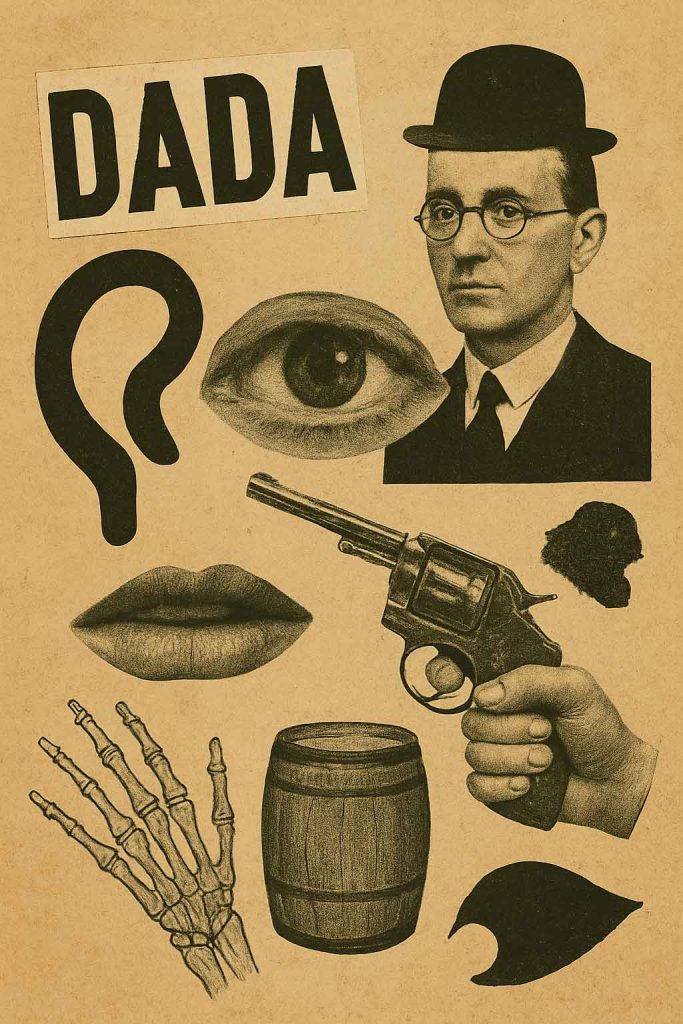
Dadaism was an art plus writing trend. It started in 1916, in Zurich – Switzerland. The name comes from French, where it stands for “hobbyhorse.” Artists fed up with war and mainstream culture picked “dada” by chance.
Characteristics:
- Collage, photomontage, and the construction of found objects.
- Items combining scraps of glued photos along with typed notes.
Bauhaus
The main idea behind this German trend? Focus on purpose instead of looks. Because of that, clean designs pop up everywhere – think little words, clear messages.
Characteristics:
- Straight lines but soft bends
- Geometric shapes
- Often goes for red, blue, or yellow instead
- Thick, bold strokes

Art Deco
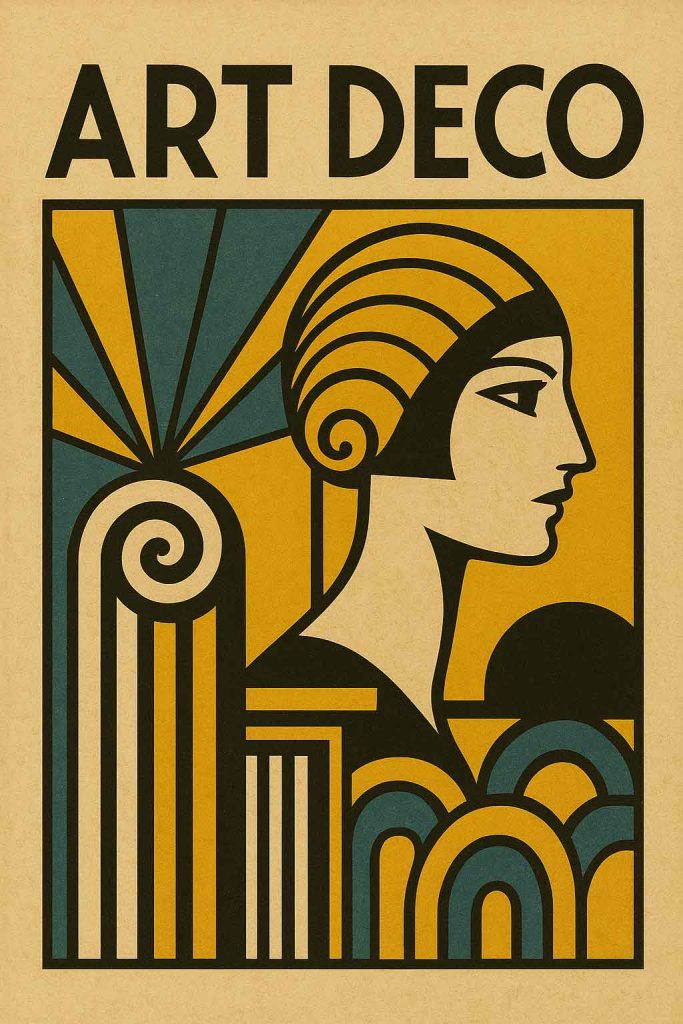
Art Deco started in France after the first World War. Yet it blends old-school handcrafting with modern machine-driven looks and stuff. Bold hues define this look, along with sharp angles that grab your eye. Also, fancy details add flair without going overboard.
Characteristics:
- Highlights geometric shapes
- Balanced patterns
- Bright but bold shades
These four art styles shook things up. Every one stands out in its own way, which is why they’re still talked about today. When you’re ready to make something new, take another look at how they did it – might spark a few ideas.
Image source
We generated a series of images using ChatGPT, showcasing classic retro design styles that you, as a designer, can explore for inspiration in your own creative work. These styles include Art Nouveau, Dada, Bauhaus, and Art Deco.